




Gieterij 3, NL-2211 WC
Noordwijkerhout
The Netherlands




Our sales team is ready to help you find the right product for every unique situation.
CONTACT US
We use cookies and other tracking technologies to improve your browsing experience on our website, to show you personalized content and targeted ads, to analyze our website traffic, and to understand where our visitors are coming from.




In industries handling dry bulk materials like flour, sugar, or plastic pellets, safety is paramount. Many of these materials can create potentially explosive dust or gas when processed. NFPA 69, the Standard on Explosion Prevention Systems, provides essential guidelines for preventing and controlling explosions in industrial settings.
The standard helps manufacturers implement effective prevention measures, ensuring operations remain safe even when handling potentially hazardous materials. For companies working with dry bulk materials, compliance with NFPA 69 isn't just about following regulations – it's about protecting lives and assets.
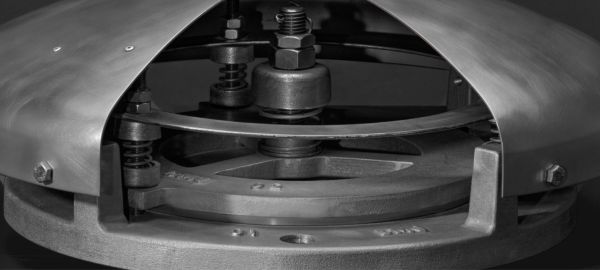
Following traditional NFPA guidelines for rotary valves often creates challenges for manufacturers. The conventional approach imposes strict limitations on design elements such as clearances, materials, bearing placements, and system configurations. These constraints can make it difficult to optimise rotary valves for specific applications, potentially compromising system efficiency and performance.
Many operations require greater flexibility to handle temperature variations, accommodate material characteristics, or ensure practical maintenance schedules. When standard requirements limit these options, manufacturers may find themselves choosing between strict safety compliance and operational effectiveness.
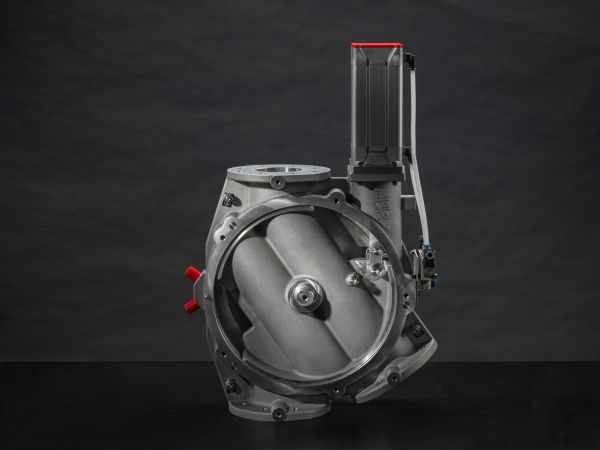
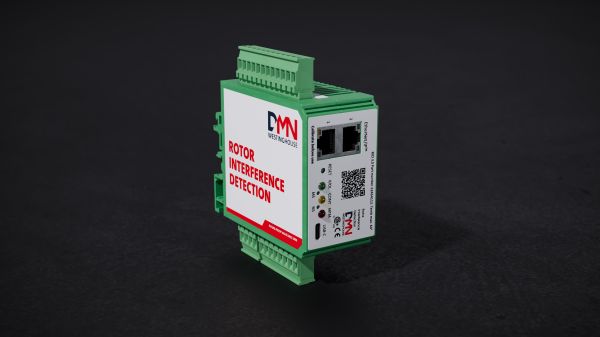
DMN-WESTINGHOUSE takes a different approach to NFPA 69 compliance – one based on performance rather than prescriptive guidelines. Through extensive real-world testing, we have proven that our rotary valves can safely meet NFPA 69 and beyond. These tests were conducted by accredited facilities and certified by notified bodies, ensuring all safety objectives are met while providing greater flexibility. Download our NFPA 96 white paper to learn everything about our performance-based approach.
 Working as one. Thriving as one. One DMN-WESTINGHOUSE.
Dear valued customers and partners, As 2025 draws to a close, we want to express our sincere appreciation for your continued cooperation and trust in DMN-WESTINGHOUSE. As we…
Read more
The correct rotor choice: the key to efficient process performances
At DMN-WESTINGHOUSE, there is a vast choice of rotors. And rightly so, as precision and efficiency are essential in the world of dry bulk solids handling. DMN-WESTINGHOUSE offers 8 unique rotor options for rotary valves, each designed to optimise the performance and safety of a production process. Whether dealing with powders or granules, the right rotor not only increases reliability but also improves the hygiene of the process. Discover how each rotor contributes to consistent product flow and maximum effectiveness in various processes.
Read more
Working as one. Thriving as one. One DMN-WESTINGHOUSE.
Dear valued customers and partners, As 2025 draws to a close, we want to express our sincere appreciation for your continued cooperation and trust in DMN-WESTINGHOUSE. As we…
Read more
The correct rotor choice: the key to efficient process performances
At DMN-WESTINGHOUSE, there is a vast choice of rotors. And rightly so, as precision and efficiency are essential in the world of dry bulk solids handling. DMN-WESTINGHOUSE offers 8 unique rotor options for rotary valves, each designed to optimise the performance and safety of a production process. Whether dealing with powders or granules, the right rotor not only increases reliability but also improves the hygiene of the process. Discover how each rotor contributes to consistent product flow and maximum effectiveness in various processes.
Read more